
By CyberUpdates365 Critical Infrastructure Desk | Published: August 1, 2026 | Last Updated: September 12, 2026
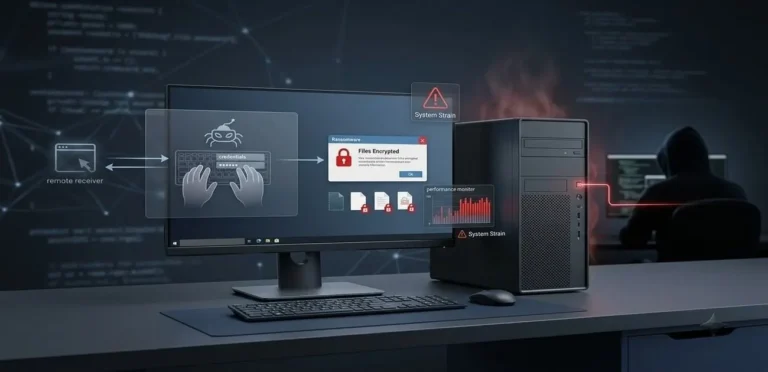
Defending public utilities and municipal networks demands an aggressive ransomware critical infrastructure defense strategy in 2026 as extortion syndicates escalate attacks against healthcare systems, financial clearing houses, and energy grids. Hostile cyber operators systematically exploit compromised identities and initial access brokers to deploy file-encrypting malware across vital networks.
Ransomware campaigns have evolved from commercial nuisances into industrial extortion emergencies. When threat actors disrupt hospital diagnostic registries or regional supervisory control and data acquisition (SCADA) systems, civilian well-being hangs in the balance. Organizations must implement immutable backups, endpoint behavior telemetry, and strict network isolation aligned with CISA StopRansomware guidelines.
This master repository tracks confirmed ransomware incursions across critical civilian sectors, assesses operational impacts, and connects directly to our detailed technical investigations.
Municipal Government & Public Utility Ransomware Outages
Municipal administrations face escalating extortion attempts as cyber cartels target legacy SCADA systems and local administrative servers:
- City of Palatka Attack: Municipal water utility and public safety billing portals went dark following a targeted network intrusion. Read our full investigation into the City of Palatka Ransomware Attack.
- Town of Nahant Breach: Public safety communications and municipal administration systems faced operational paralysis in New England. Examine our technical post-mortem on the Town of Nahant Ransomware Attack.
- Holiday Surge Defense: Ransomware cartels deliberately time attacks during long holiday weekends when staffing is lean. Review our tactical playbook on July 4th Holiday Ransomware Surge Protection Strategies.
Healthcare Ransomware Attacks: Hospital Networks Under Siege
Medical facilities present high-priority targets for extortion syndicates because patient safety creates immense pressure to restore clinical systems quickly:
- Federal Healthcare Alert: Federal law enforcement documented a massive quadrupling of unauthorized clinical encryption attacks nationwide. Read our analysis of the healthcare ransomware attacks surge 400 percent.
- Regional Hospital Breaches: Clinical networks across New England experienced severe system lockdowns involving multi-million dollar extortion demands. Examine our complete diagnostic breakdown of the Massachusetts Hospitals 24 Million Dollar Cyberattack.
- Commercial Infrastructure Compromise: Over two hundred regional enterprises suffered coordinated infrastructure compromises during a concerted extortion wave. Study our report on the Massachusetts Ransomware Surge Across 200 Companies.
Federal Intelligence, US Banking Cyber Attack & Power Grid Disruption
When hostile actors target federal administrative clearing networks and core electrical supply lines, national economic stability demands immediate coordinated intervention:
| Critical Infrastructure Sector | Nature of Security Incident | Verified Technical Case Study |
|---|---|---|
| Federal Homeland Security Networks | Departmental Administrative Network Breach | DHS Homeland Security Incident Report |
| Tactical Law Enforcement Intel (HSIN) | Sensitive Information Network Compromise | DHS HSIN Cyberattack Investigation |
| United States Banking & Treasury | Federal Monetary Clearing System Threats | us banking cyber attack federal alert |
| Municipal Electrical Power Grids | Regional SCADA Grid Control Interruption | power grid cyber attack analysis |
Initial Access Vectors: Identity Compromise in Critical Infrastructure
Understanding precisely how external attackers breach industrial network domains allows engineering teams to strengthen defensive perimeters:
- Identity as Ransomware Gateways: Enterprise telemetry proves that stolen credentials and session tokens represent the primary entry mechanism for modern ransomware cartels. Review our deep architectural audit of the Identity as Ransomware Entry Point Sophos Report.
- Manufacturing Supply Chain Disruption: Ransomware infiltrating beverage manufacturing lines caused complete factory shutdowns. Inspect our commercial case study on the Coca-Cola Fairlife Production Halt Ransomware Attack.
- Enterprise Access Hardening: Implementing continuous session validation stops lateral movement when credentials leak. Explore our architectural guidelines in the Zero Trust Architecture Guide 2026.
Core Principles for Ransomware Critical Infrastructure Defense
Building resilience against sophisticated extortion groups requires adopting three non-negotiable operational controls:
- Immutable Offline Backups: Maintain at least one full copy of critical configurations and operational databases on immutable, air-gapped storage that cannot be altered even by compromised domain administrators.
- Zero-Trust Microsegmentation: Physically and logically isolate Information Technology (IT) networks from Operational Technology (OT) and SCADA environments using strict firewall rules and jump hosts.
- Phishing-Resistant MFA: Enforce FIDO2 hardware security keys for all remote access portals, eliminating vulnerabilities associated with SMS or standard push-notification MFA fatigue.
Frequently Asked Questions: Ransomware Defense
Why do cybercriminals target clinical healthcare hospital infrastructures?
Hospital network operations maintain urgent patient treatment schedules. Extortion syndicates calculate that medical administrators will authorize speedy ransom payments to regain control over locked clinical diagnostic workstations.
What is the recommended backup strategy against ransomware critical infrastructure defense breaches?
Enterprise guidelines mandate the 3-2-1-1-0 backup protocol: three copies of data, across two different media types, with one copy offsite, one copy immutable or offline, and zero errors during automated recovery drills.
Should public utilities and enterprise organizations pay demanded extortion ransoms?
Federal law enforcement agencies and CISA strongly discourage paying ransoms. Payments fund criminal enterprises, offer zero guarantees that data will be restored without corruption, and mark the organization as a paying target for future extortion waves.
Operational Verdict
Effective ransomware critical infrastructure defense requires shifting from passive boundary security to active cyber resilience. Public utilities, healthcare operators, and financial organizations must prioritize immutable disaster recovery and identity hygiene before an intrusion occurs.
Our intelligence desk continuously tracks active ransomware cartels. Bookmark our CVE Vulnerabilities Security Hub to monitor newly exploited zero-days targeting enterprise gateways.