
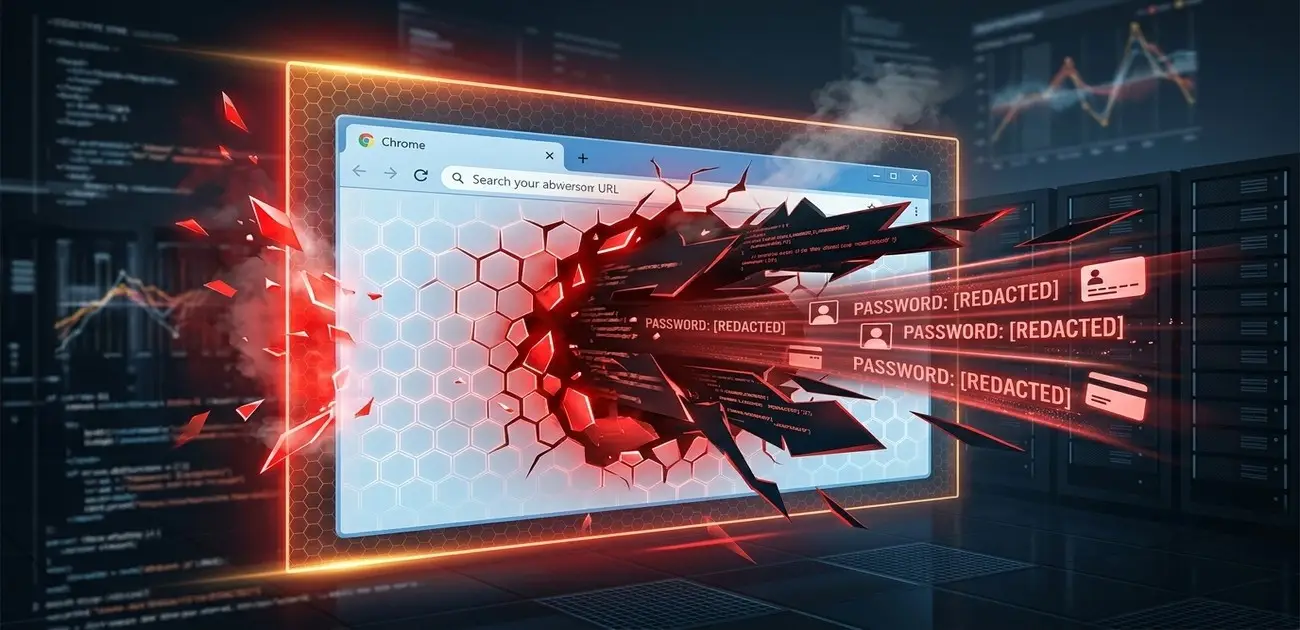
If you are reading this article on Google Chrome, you need to pause and check your browser version right now. Cybersecurity researchers have just uncovered a critical Zero-Day vulnerability in the world’s most popular web browser, and threat actors are already exploiting it in the wild.
Unlike standard security patches that fix theoretical bugs, this zero-day exploit allows hackers to bypass the browser’s sandbox environment. This means malicious code can execute directly on your operating system just by visiting a compromised website, putting your personal data, banking credentials, and saved passwords at extreme risk.
The situation has escalated so quickly that federal agencies have issued urgent warnings. In this guide, we break down exactly how this exploit works, the massive risks involved, and the immediate steps you must take to secure your digital life.
How the Chrome Sandbox Escape Works
Google Chrome uses a “sandbox” architecture designed to keep individual website tabs isolated from the rest of your computer. If a website contains malicious code, the sandbox prevents that code from reading files on your hard drive or installing malware.
However, the newly discovered vulnerability (tracked as a high-severity type confusion bug in the V8 JavaScript engine) allows hackers to break out of this sandbox entirely. Once outside, the malware operates with the same privileges as the user. It can silently extract session cookies, cryptocurrency wallet keys, and all auto-fill passwords stored within the browser’s local database.

The Connection to Recent Data Leaks
Security analysts believe that advanced persistent threat (APT) groups have been using this specific Chrome exploit covertly for several weeks before it was publicly disclosed. Hackers are actively using this exploit to steal saved passwords directly from your browser, which is a major factor behind the recent Massive Stealer Logs Data Breach that affected millions of users globally.
Because this attack requires zero user interaction (other than visiting a maliciously crafted web page), traditional antivirus software often fails to detect the intrusion until the data has already been exfiltrated to command-and-control servers.
Federal Agencies Issue Immediate Directives
The severity of this flaw has prompted rapid responses from global governments. The United States Cybersecurity and Infrastructure Security Agency (CISA) has officially added this vulnerability to its Known Exploited Vulnerabilities catalog. Federal civilian executive branch agencies have been given a strict 48-hour mandate to patch their systems.
If government organizations treat this as a drop-everything emergency, individual users and corporate IT departments must apply the same level of urgency to their own networks.
How to Fix the Vulnerability Right Now
Google has rolled out an emergency patch, but you cannot assume your browser has automatically updated. You must force the update manually to ensure you are protected. Follow these exact steps:
- Open Google Chrome and look at the top-right corner of the screen.
- Click on the three vertical dots (the options menu).
- Scroll down to Help, then click on About Google Chrome.
- Chrome will automatically check for updates and begin downloading the patch.
- Crucial Step: Once the download is complete, you MUST click the Relaunch button for the security patch to take effect.
If you are using other Chromium-based browsers like Microsoft Edge, Brave, or Vivaldi, you are also vulnerable and must follow a similar process to update those applications immediately. Do not delay—every minute you spend browsing on the older version is a massive risk to your digital identity.
Frequently Asked Questions (FAQ)
What is a Zero-Day Vulnerability?
A zero-day vulnerability is a software flaw that is discovered by hackers before the software vendor (like Google) knows about it. Because there are “zero days” of warning, hackers can exploit the flaw immediately before a patch is released.
Are mobile versions of Chrome affected?
Yes, this vulnerability spans across multiple operating systems including Windows, Mac, Linux, and Android. You should go to the Google Play Store or Apple App Store and update your mobile Chrome browser immediately.
Should I stop saving passwords in Chrome?
Given the rise in info-stealer malware and browser exploits, cybersecurity experts highly recommend using a dedicated, encrypted third-party password manager rather than storing sensitive credentials directly in any web browser.
For a complete tracker of all critical 2026 vulnerabilities, see our Enterprise CVE Security Hub.
Reported by CyberUpdates365 Desk
Delivering the latest insights on enterprise security, federal AI directives, and the future of IT infrastructure. Follow us for daily updates on how technology is reshaping the corporate landscape.