EDITORIAL NOTE: This investigative report breaks down the massive Stealer Logs Data Breach uncovered in late June 2026. We look beyond the numbers to explain how a new breed of silent malware is rendering traditional passwords and MFA obsolete.
Imagine waking up to find that every digital secret you’ve ever typed into your computer—your banking passwords, your corporate VPN logins, your private emails—is currently sitting on a Russian dark web marketplace, priced at less than a cup of coffee.
For the victims of the June 2026 Stealer Logs Data Breach, this isn’t a hypothetical nightmare. It’s Tuesday.
Late this month, the cybersecurity world went on high alert when researchers aggregated a massive, terrifying dataset and fed it into breach-tracking platforms like Have I Been Pwned. The final tally? A staggering 124 million unique passwords and 56 million email addresses laid bare for anyone to download.
But here is the catch that makes this story different from every other hack you’ve read about this year: The attackers didn’t break into Facebook. They didn’t breach a massive bank. They didn’t compromise a government database.
Instead, they hacked us.
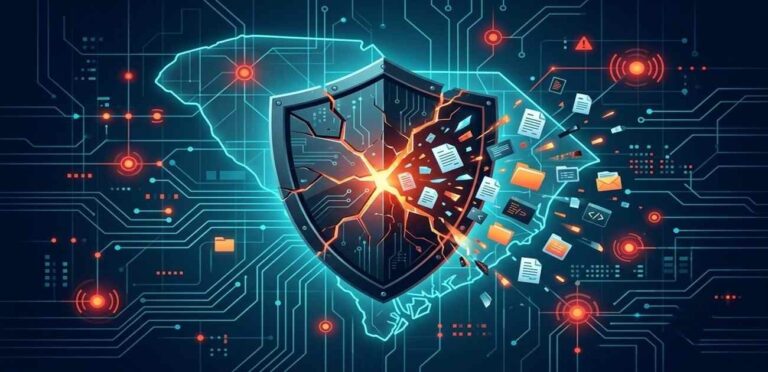
This mega-leak is a compilation of what the criminal underground calls “Stealer Logs.” It is the accumulated, terrifying aftermath of millions of individual laptops and desktop computers being quietly infected by a breed of malware known as the Infostealer.
The Anatomy of the Stealer Logs Data Breach
To understand how 124 million passwords ended up in a single zip file, we have to talk about how modern cybercriminals actually operate. Gone are the days of hackers sitting in dark hoodies, manually typing commands to break through firewalls. Today’s threat actors operate like highly efficient, automated corporations.
They use Infostealers—sleek, highly specialized pieces of malicious code with names like Lumma, RedLine, and Vidar.
Unlike ransomware, which aggressively locks your screen and demands a ransom, an Infostealer wants to be invisible. You might pick one up by clicking a fake “Download” button on a shady website, opening a PDF attachment that looks like an unpaid invoice, or downloading a cracked version of an expensive software program.
Once it lands on your hard drive, it doesn’t break anything. Instead, it goes straight to your web browser. In less than thirty seconds, it violently scrapes Google Chrome, Microsoft Edge, or Mozilla Firefox. It scoops up every password you’ve ever told the browser to “save for later.” The malware also grabs your credit card autofill data. Finally, it takes a screenshot of whatever you were looking at.
It zips all of this into a neat little package—a Stealer Log—sends it to a server in Eastern Europe, and then quietly deletes itself from your computer. You never even know you were robbed.
The Dirty Secret About MFA During a Stealer Logs Data Breach
If you’re reading this and thinking, “I’m fine, I have Two-Factor Authentication turned on,” I have some bad news for you. The cybersecurity industry has a dirty little secret, and the Stealer Logs Data Breach just dragged it into the daylight.
Traditional MFA is failing.
When an Infostealer raids your web browser, it doesn’t just steal your password. It steals your session cookies.
Think about what happens when you log into your email. You type your password, you type the 6-digit code from your phone, and you’re in. For the next thirty days, if you close the browser and open it again, you don’t have to log back in. Why? Because the website dropped a digital VIP pass—a session cookie—into your browser that says, “This person already proved who they are. Let them in.”
When hackers steal your Stealer Log, they aren’t just getting your password. They are ripping that VIP pass right out of your browser. They load your cookie into their own computer. When they navigate to your bank or your company’s portal, the website looks at the cookie and assumes the hacker is you.
They don’t need your password. Hackers certainly don’t need your phone. Instead, they walk right past the security guards without even being asked.
From Personal Mistakes to Corporate Disasters
This is where a personal tragedy turns into a corporate catastrophe, and why IT departments are currently in full panic mode over the 56 million email addresses exposed in this leak.
The modern remote-work era means the line between “home computer” and “work computer” is permanently blurred. Let’s say a mid-level manager at a Fortune 500 company decides to download a pirated video game on his personal home gaming PC. Unbeknownst to him, the game contains an Infostealer.
The malware scrapes his browser. But because he occasionally checks his work email from home, his corporate Single Sign-On (SSO) session cookie is sitting right there in Chrome.
The hacker bundles this Stealer Log and puts it up for sale on the “Russian Market” (a notorious dark web bazaar) for about $10. A ransomware syndicate buys it. They use the stolen corporate cookie to bypass the company’s VPN. Forty-eight hours later, the entire corporation is locked down by ransomware, facing a $5 million extortion demand.
The company had millions of dollars in enterprise-grade firewalls, but they were entirely compromised because one employee wanted a free video game on a computer the IT department didn’t even know existed.
How to Survive the Infostealer Era
The reality of the June 2026 leak is that the old rules of internet safety are officially obsolete. Changing your password every 90 days won’t save you if a hacker steals your active session cookie. We have to adapt.
Everyday User Guide to the Stealer Logs Data Breach
First, stop letting your web browser save your passwords. Chrome and Edge are fantastic browsers, but they are the primary targets for every piece of malware on the planet. Move your life to a dedicated, encrypted password manager like 1Password or Bitwarden. If your passwords are locked in a heavily encrypted vault, the Infostealer leaves empty-handed.
Second, clear the board. If you suspect you’ve clicked a bad link recently, changing your password isn’t enough. You have to log into your Google, Microsoft, and Facebook accounts, find the security settings, and click “Sign out of all devices.” This is the only way to kill the session cookies that the hackers have already stolen.
Finally, install a ruthless ad-blocker like uBlock Origin. Right now, the most common way Infostealers spread is through malicious sponsored links at the very top of Google Search results. Blocking those ads is no longer a matter of convenience; it’s a critical security measure.
The Mandate for Corporate IT Leaders
For the SysAdmins and CISOs reading this: your current MFA strategy is likely giving you a false sense of security. SMS codes and authenticator apps are useless against a stolen session cookie.
The only real defense is transitioning your workforce to phishing-resistant, hardware-based MFA. Protocols like FIDO2 (using physical security keys from Yubico) or strict implementations of Windows Hello for Business cryptographically bind the login session to the physical machine. Even if a hacker steals the cookie, it won’t work on their computer.
Furthermore, you must aggressively shorten session lifetimes for critical applications. The days of letting an Office 365 token stay valid for 90 days are over. Force re-authentication. It will annoy your staff, but it is infinitely better than negotiating with a ransomware cartel.
The New Normal
The 124 million passwords sitting in the recent mega-leak are just the tip of the iceberg. As long as there is money to be made, the dark web economy that produces Stealer Logs will continue to thrive.
We are in the middle of a massive cybersecurity arms race. As defenders finally start figuring out how to stop traditional password guessing, attackers have simply moved the goalposts. They don’t want your password anymore. They want your entire digital life.
It’s time we start defending it properly.
Dive Deeper: Essential Cybersecurity Reading
If you want to understand the broader threats facing enterprise infrastructure, check out our recent investigative reports:
- The LiteLLM AI Gateway Hack: How Attackers are Targeting Corporate AI
- The Splunk RCE Vulnerability Putting SOCs at Risk
- The Modern Password Security Guide
Frequently Asked Questions (FAQ)
What is the difference between a normal hack and a Stealer Logs Data Breach?
In a normal hack, criminals break into a company’s servers and steal a database of encrypted passwords. In a Stealer Logs Data Breach, criminals infect millions of individual computers with malware, stealing passwords in plain text directly from the victims’ web browsers, along with their active login cookies.
Can my Authenticator App protect me from Infostealers?
No. Infostealer malware steals your “Session Cookies,” which are small files that tell a website you have already successfully completed your MFA challenge. Attackers load these stolen cookies into their own browsers, allowing them to bypass your password and your MFA completely.
How can I check if my data is in the Stealer Logs Data Breach?
You should immediately visit the security research website ‘Have I Been Pwned’ and enter your email address. If your email is flagged as part of a “Stealer Logs” breach, you must assume all passwords saved in your web browser are compromised.
Should I stop saving passwords in Chrome or Edge?
Yes. Investigative researchers strongly recommend disabling the built-in password managers in your web browser. Because browsers store this data in highly predictable locations, they are the very first thing Infostealer malware targets. Switch to a dedicated, encrypted password manager app.
Track Every Breach: See our complete Data Breach 2026 Timeline to stay informed on every major incident this year.