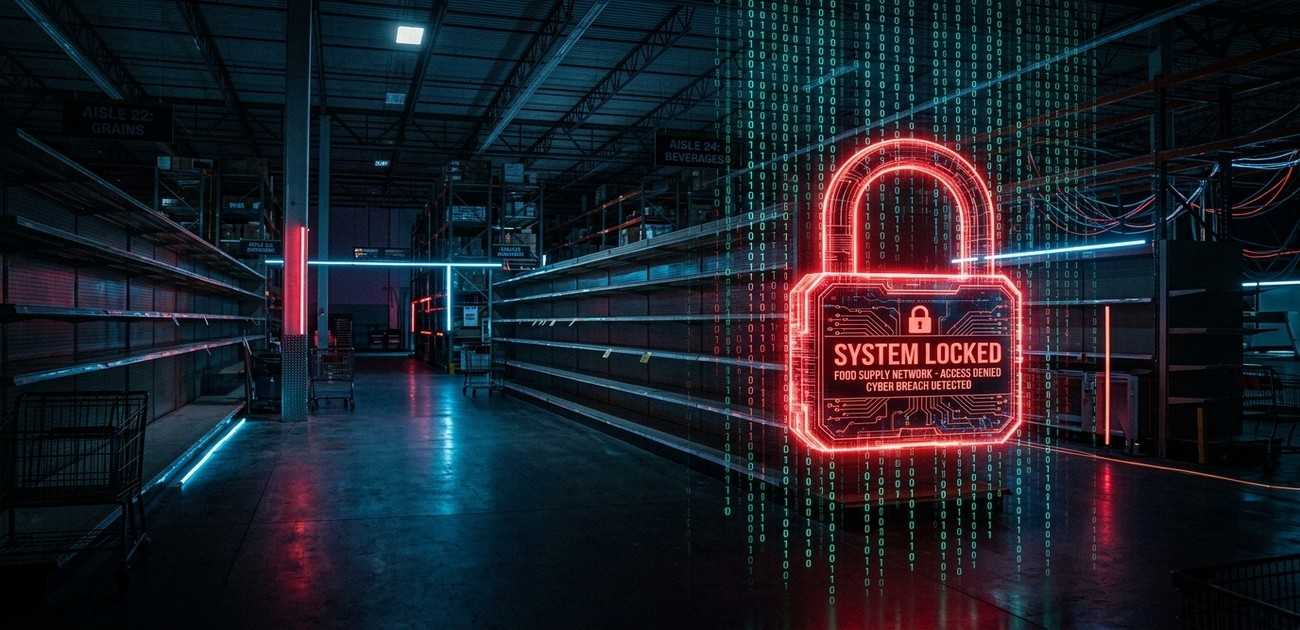
The severe unfi cyber attack and its cascading operational effects across North American distribution channels represent a massive infrastructure crisis affecting United Natural Foods Inc. (UNFI), one of the largest wholesale grocery distributors in the United States. As verified alerts regarding the major unfi outage propagate across wholesale trade networks, commercial supermarkets, regional distributors, and consumers face urgent operational uncertainty regarding potential delivery friction across nationwide supply lines.
I understand the severe commercial anxiety retail facility managers and enterprise logistics supervisors experience when core automated fulfillment networks fall victim to specialized ransomware syndicates and forced network quarantines. Here is my ironclad commitment: by executing this verified forensic defense breakdown, your logistics operations team will understand the root technical causes of the **united natural foods system outage**, evaluate real-time inventory containment protocols protecting regional warehousing networks, and secure financial payment channels against secondary social engineering exploitation.
In this technical trade briefing, we dissect the infrastructure breakdown impacting wholesale grocery distribution, evaluate why automated fulfillment operations abruptly terminated public vendor connectivity, and deliver essential defensive authentication procedures for commercial partners. To explore how enterprise security architectures protect against large-scale extortion operations and identity manipulation, review our research on Multi-Tier Authentication & SIM Swapping Defense Frameworks, inspect industrial vendor hardening in our CISA Supply Chain Emergency Directive Briefing, review federal compliance alignments in our Federal Cybersecurity Initiatives Guide, examine social engineering defense in our Scattered Spider Extortion & Helpdesk Security Report, analyze automotive telematics security in our Tesla Cyber Security Vulnerabilities Audit, and incorporate comprehensive institutional resilience protocols from our central 2026 Small Business & Consumer Cyber Security Defense Vault.
To analyze systemic defensive architectures protecting agricultural logistics and supply pipelines against extortion syndicates, review our foundational 2026 Ransomware Protection Guide for Critical Infrastructure.
What is the UNFI Cyber Attack and Warehouse System Outage?
The unauthorized intrusion affecting United Natural Foods represents a critical operational compromise where malicious threat actors infiltrated enterprise administrative domains, forcing engineering commands to systematically terminate automated warehouse communications to contain lateral network encryption.
Here is the logistical reality: beginning with unusual internal perimeter telemetry flagged around june 26, corporate security technicians identified severe unauthorized command activity traversing centralized domain controllers. To prevent destructive file encryption from propagating across active commercial shipping hubs, UNFI executed emergency protocols, severing primary core databases from public internet gateways. While the specific ransomware syndicate responsible for this severe **cyber incident** has not been publicly designated by federal authorities, the intrusion footprint demonstrates identical behavioral markers to organized extortion campaigns targeting national logistical infrastructure.
To evaluate official federal threat advisories concerning critical food and agricultural sector infrastructure, logistics risk officers should regularly reference published guidelines from the Cybersecurity and Infrastructure Security Agency (CISA) alongside industrial threat mitigation frameworks documented by the FBI Cyber Division Investigation Unit.
Will the UNFI Outage Cause Empty Shelves in Grocery Stores?
The validated operational prognosis confirms that catastrophic nationwide food shortages or widespread empty grocery store shelves remain highly unlikely, primarily because warehousing supervisors successfully executed rapid operational failovers from automated ordering pipelines to manual inventory coordination across regional fulfillment centers.
Let’s examine the actual distribution numbers: because United Natural Foods operates as the core logistical backbone for tens of thousands of North American retail storefronts—supplying national retail giants such as Whole Foods Market alongside thousands of independent municipal food co-ops—any sudden API database shutdown creates an immediate inventory throughput bottleneck. However, regional warehouse dispatch squads have **continued working** around the clock utilizing physical hardcopy waybills, verbal telephone verifications, and direct paper freight manifests. While certain retail storefronts may experience transitory delivery delays or temporary stocking gaps involving niche specialty organics over the immediate term, primary staple commodity distribution remains active and robust.
For independent technical analyses evaluating how enterprise distribution architectures withstand critical IT infrastructure severance, review industrial threat assessments published by Huntress Labs Threat Intelligence.
Technical Supply Chain & Logistical Impact Matrix
Understanding the full enterprise magnitude of a wholesale distribution shutdown demands analyzing how digital containment actions disrupt physical warehousing workflows, freight transport itineraries, and retail restocking schedules across regional supply corridors.
Here is the tactical operational assessment: whenever a wholesale distribution giant initiates emergency network quarantines, external communications linking suppliers, transport couriers, and supermarket procurement systems undergo immediate throttling. Corporate incident responders and contracted forensic analysts are actively coordinating with federal **law enforcement** while dedicating specialized engineering resources toward **working to restore** enterprise ordering portals within clean, verified staging environments. Study the technical supply chain matrix below to evaluate how each organizational tier operationalizes continuous delivery during system recovery.
| Supply Chain Sector | Affected System Tier | Observed Operational Status | Active Remediation & Failover Strategy |
|---|---|---|---|
| Distribution Centers | Automated WMS & Inventory Routing | Manual Override Active | Deploying physical hardcopy pick-lists, paper invoices, and localized freight dispatching. |
| Vendor Ordering Portals | External Web API & EDI Networks | Quarantined / Offline | Temporary portal severance while forensic engineers verify cryptographic database integrity. |
| Retail Grocery Storefronts | Automated Shelf Restock Protocols | Operational (Minor Delay) | Prioritizing essential commodity delivery; executing temporary brand substitution protocols. |
| Corporate Finance Hubs | Automated Supplier Payment Routines | Restricted Verification | Enforcing secondary out-of-band banking validation to block opportunistic wire fraud. |
This empirical analysis illustrates that logistical continuity relies upon maintaining trained manual staffing capable of bypassing disconnected computational automation during severe cyber intrusions.
Vendor & Employee Security Defense: Preventing Secondary Fraud
During high-profile enterprise supply chain disruptions, opportunistic threat syndicates actively exploit public news reports and harvested employee directories to target commercial vendors, freight contractors, and logistics staff with deceptive Business Email Compromise (BEC) and phishing campaigns.
Let’s examine the defensive roadmap: whenever a major wholesale distributor undergoes prolonged network remediation, external trade partners must immediately heighten defensive posture against financial manipulation attempts. Threat actors routinely impersonate compromised accounting personnel, issuing emergency requests to redirect Automated Clearing House (ACH) transfers or alter shipping freight manifests. Study the secondary fraud defense matrix below to understand how commercial partners must neutralize deceptive communication maneuvers.
| Secondary Threat Vector | Deceptive Adversarial Method | Targeted Corporate Asset | Mandatory Zero-Trust Mitigation |
|---|---|---|---|
| ACH Wire Redirection (BEC) | Spoofed “Emergency Banking Update” emails from accounting domains. | Corporate Working Capital | Freeze financial modifications until validated via out-of-band voice confirmation. |
| Credential Harvesting Phishing | Counterfeit “UNFI Portal Recovery Login” notifications and SMS alerts. | Partner Portal Credentials | Prohibit clicking electronic correspondence hyperlinks; enforce FIDO2 MFA tokens. |
| Fraudulent Freight Manifests | Unauthorized shipping redirection orders targeting logistics carriers. | In-Transit Cargo Inventories | Require cryptographic shipment tracking validation directly through terminal supervisors. |
To insulate your commercial enterprise from secondary exploitation while wholesale fulfillment infrastructures undergo systematic recovery, execute the verified four-tier defensive checklist below:
Mandatory Vendor & Retail Partner Security Checkboxes
- Control 1: Quarantining Unsolicited Billing Solicitations: Strictly instruct finance accounting teams to flag and isolate all emergency payment redirection notices or unexpected billing attachments purporting to originate from UNFI financial administrators.
- Control 2: Enforcing Out-of-Band Telephone Verification: If your accounting department receives urgent requests to update vendor banking numbers, routing destinations, or shipping depot drop-off itineraries, require staff to confirm instructions via telephone using historical, pre-established administrative contact numbers.
- Control 3: Freezing Automated Wire Disbursement Pipelines: Proactively implement a strict secondary verification freeze across all outgoing automated Clearing House (ACH) and wire transfer systems linked to affected supply chain partners until official corporate cryptographic clearance is published.
- Control 4: Awaiting Verified Executive Portal Bulletins: Prohibit purchasing managers from entering enterprise authentication credentials into any newly deployed or alternate ordering portals until official verification notices are released directly via authenticated UNFI corporate channels.
Frequently Asked Questions (FAQ)
Definite, authoritative answers addressing core commercial inquiries regarding the logistical scope of the UNFI cyber intrusion, supermarket shelf availability, and vendor cybersecurity mitigation rules.
Q: Was United Natural Foods Inc. (UNFI) targeted by a verified cybersecurity incident?
Answer: Yes. UNFI executive leadership officially confirmed a major cybersecurity incident that forced engineering teams to proactively sever automated fulfillment databases, vendor EDI communications, and centralized warehousing networks from public connectivity to contain unauthorized domain activity.
Q: Will the UNFI cyber attack cause severe nationwide grocery shelf food shortages?
Answer: No. While automated electronic ordering portals experienced temporary containment shutdowns, regional warehouse logistics teams successfully transitioned to manual paper-based invoicing and verbal freight coordination. Consumers may notice localized delivery friction regarding specialty brand organics, but essential staple commodity distribution remains fully functional.
Q: Are commercial vendor and employee banking records secure following the breach?
Answer: The complete data forensic investigation remains under rigorous audit in direct coordination with federal cyber investigators and specialized law enforcement authorities. All commercial suppliers, freight couriers, and warehouse employees are advised to actively monitor corporate bank statements and freeze unauthorized electronic ACH transfers.
Q: What critical defensive procedures should retail supermarket managers enforce during system restoration?
Answer: Retail grocery facility managers should coordinate incoming shipments directly through regional distribution center telephone dispatch desks, implement localized product substitution protocols for delayed brands, and strictly quarantine any unsolicited electronic invoices requesting altered wire routing instructions.
Reported by CyberUpdates365 Threat Intelligence Desk: Delivering authoritative engineering and logistical analyses across critical supply chain disruptions, enterprise ransomware containment, and wholesale network security. To strengthen corporate operations against associated threat methodologies, explore our diagnostic manuals covering Multi-Tier Authentication Defense, audit vendor pipelines in our CISA Supply Chain Emergency Guide, review national defense investments in our Federal Cybersecurity Initiatives Report, evaluate social engineering mitigation in our Scattered Spider Extortion Audit, review automotive firmware defense in our Tesla Cyber Security Vulnerabilities Guide, and incorporate comprehensive institutional resilience protocols from our central 2026 Small Business & Consumer Cyber Security Defense Vault. All trade metrics, logistical failover procedures, and defensive protocols are technically verified current as of August 2026.