By Uday Patil, Cybersecurity Analyst
Finding yourself in a situation where a stranger or former partner is threatening to release intimate photos of you is terrifying. This cybercrime, known as sextortion, is spreading rapidly across social media platforms and dating apps. If you are wondering what to do if someone threatens to leak pictures, your immediate response will dictate how the situation unfolds.
The most important rule is simple: do not panic, and do not send money. Criminals use fear to force rapid compliance, but paying them almost never stops the harassment.
What to Do If Someone Threatens to Leak Pictures: Immediate Steps
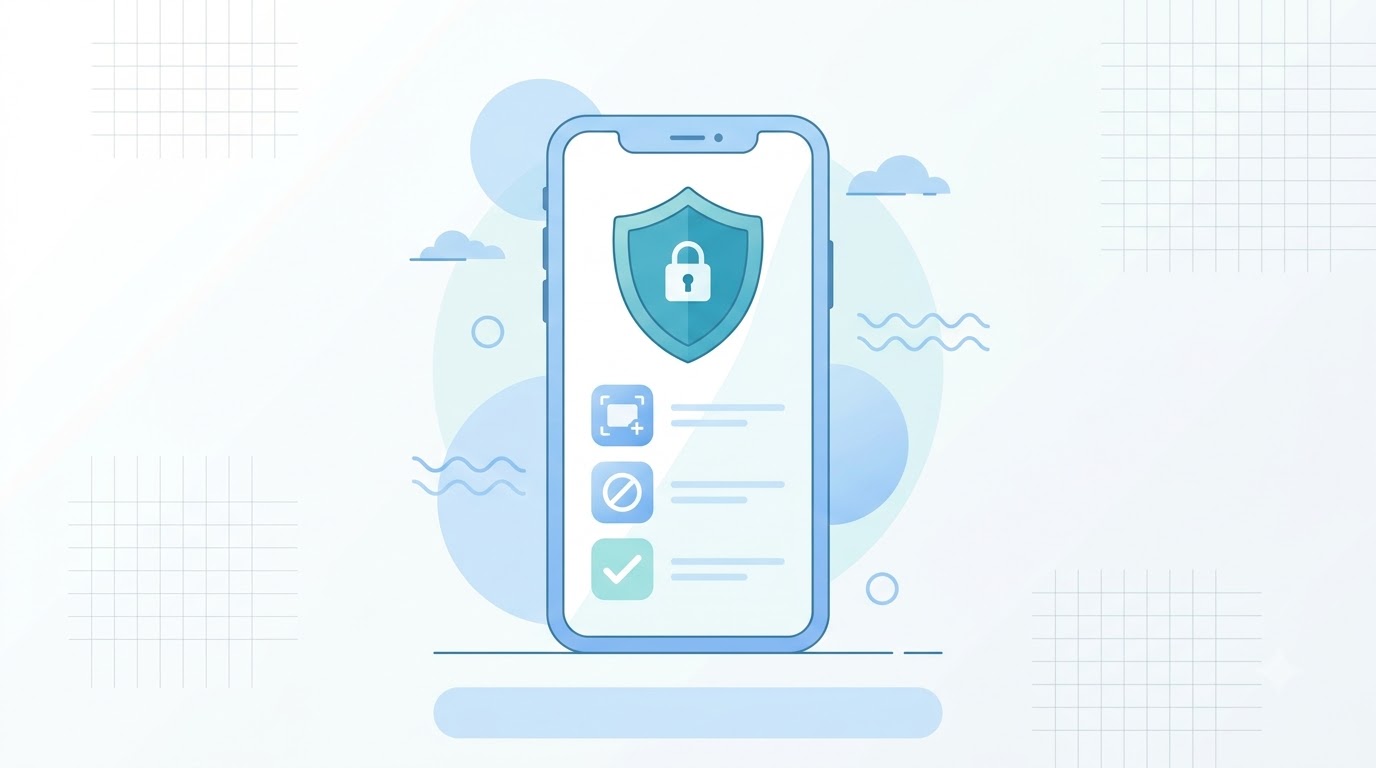
Your first instinct might be to delete everything or beg the attacker to stop. Instead, you need to lock down your digital footprint and preserve the evidence in the correct order.
First, immediately stop all communication. Before you block the attacker, take clear screenshots of the entire conversation, the threatening messages, their username, phone number, and any payment accounts they provide to preserve the evidence. Once the evidence is strictly secured, block the predator across all platforms.
After blocking them, lock down your social media. Set your Facebook, Instagram, and TikTok accounts to the highest privacy settings. Change your passwords and enable two-factor authentication. If you need a comprehensive walkthrough on securing your accounts against unauthorized access, review our Social Media Security Guide 2025.
Stop the Images From Spreading
If you’re 18 or older (both now and when the image was taken), you can use StopNCII.org — a free tool that creates a digital fingerprint (hash) of the image without uploading it anywhere. Participating platforms (Facebook, Instagram, TikTok, Snapchat, and others) use this hash to proactively detect and block the image if someone tries to post it.
If the victim is under 18, or was under 18 when the image was taken, use the National Center for Missing & Exploited Children’s Take It Down platform instead — this is specifically designed for minors and works the same hash-based way.
Reporting the Threat to the Authorities
You do not have to handle this alone. Extortion is a serious federal crime.
- File an FBI Report: Use the official fbi cyber crime reporting tools by submitting all your gathered evidence to the Internet Crime Complaint Center via the IC3 portal. They have specialized units tracking these syndicates.
- Contact Local Law Enforcement: Call your local police non-emergency line to file a physical report. This provides a legal paper trail.
- Use Platform Reporting Tools: Report the user’s profile to the platform where the abuse is happening (e.g., Instagram, Snapchat) citing blackmail and online extortion.
If the attacker attempts to compromise your devices to steal more files, you should ensure your endpoints are secure. Consider installing robust defenses by checking our recommendations for Cyber Security Software For Small Business and personal use.
Do not let shame isolate you. Millions of people face these threats annually, and professional help is available to guide you through taking down the compromised content. If you are feeling overwhelmed, hopeless, or in crisis, please know that you are not alone. Call or text the 988 Suicide & Crisis Lifeline immediately for free, confidential support.
Related guide: For broader context and related coverage, see our personal and small-business cybersecurity guide.
Frequently Asked Questions (FAQ)
What should I do if someone threatens to leak pictures of me?
If someone threatens to leak pictures of you, stop responding immediately, take screenshots of every message as evidence, and do not send any money. Once evidence is saved, block the person, report their account to the platform, and file a report with the FBI’s Internet Crime Complaint Center (IC3).
Is sextortion a real crime?
Yes. A sextortion scam is a form of online extortion and is prosecuted as a federal crime in the United States, typically under extortion, blackmail, and cyberstalking statutes. Law enforcement agencies including the FBI actively investigate these cases.
How do I stop blackmailers online without paying them?
The most effective way how to stop blackmailers online is to cut off all communication, preserve evidence, and report them through official channels rather than negotiating. Paying rarely ends the harassment — attackers typically demand more once they know you’re willing to pay.
Will the attacker actually leak the photos if I don’t pay?
In most documented sextortion scam cases, attackers rarely follow through once a victim stops responding, blocks them, and reports the account. Their scheme relies on fast, panic-driven payments — not prolonged effort against someone who has stopped engaging.
Where can I file an FBI cyber crime reporting complaint for sextortion?
You can submit a formal fbi cyber crime reporting complaint directly through the official IC3 portal at ic3.gov. Include all saved evidence — screenshots, usernames, phone numbers, and any payment details the attacker provided.
Can online extortion happen even if I never sent explicit photos?
Yes. Some online extortion scams use fake or AI-generated images and simply claim to have compromising content, hoping the threat alone will scare you into paying. Whether or not real images exist, the response is the same: do not pay, preserve evidence, and report it.