Executive Summary: Cybersecurity is essential in 2026 because modern commercial business models rely completely upon decentralized cloud storage and digital settlement infrastructure. An unprotected IT environment risks severe financial extortion, protracted administrative operational downtime, and destructive legal privacy penalties. Implementing systematic cyber defense safeguards vital customer identification data, secures supply chain transactions against third-party interception, and confirms strict compliance with global digital governing mandates.
In 2026, understanding why is cyber security important has become a vital operational mandate across all commercial industries. If you operate a modern business or rely upon cloud computing to store vital professional archives, you face continuous exposure to digital threat vectors. Organizational leaders frequently evaluate technology operating expenditures and ask a foundational operational question: why is cyber security important across our daily workflows?
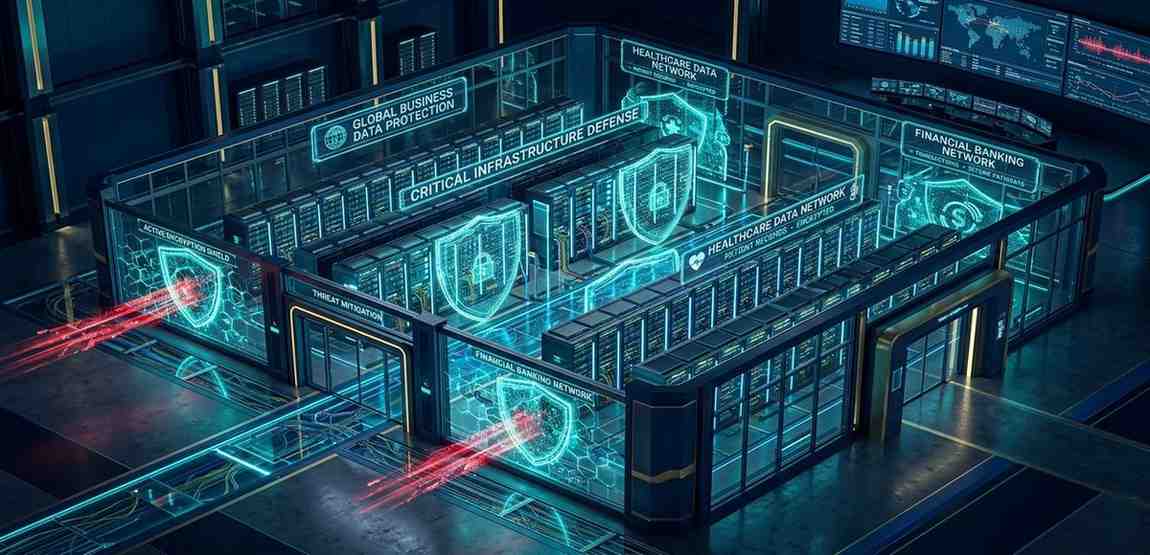
The answer resides in the structural evolution of commercial business data. Modern companies no longer store proprietary trade secrets and fiscal ledger spreadsheets inside locked physical filing cabinets. These assets reside across worldwide distributed server networks, accessible via remote application endpoints and automated software APIs. Without disciplined defensive boundaries, internal operations remain exposed to unauthorized data interception and corporate espionage.
In this foundational intelligence guide, we analyze the core commercial impacts of enterprise technical security, evaluate actual operational hazards faced by under-protected networks, and provide structured protection benchmarks for enterprise defense.
Why is Cyber Security Important? The 3 Core Foundations
To grasp why is cyber security important for business continuity, information security practices inside commercial enterprises center around three non-negotiable functional outcomes known as the CIA Triad (Confidentiality, Integrity, and Availability). In practical IT governance, these foundations protect daily operational viability:
- 1. Protecting Sensitive Financial and Identity Data: Companies process substantial volumes of sensitive consumer information daily, including credit card numbers, Social Security identifiers, and medical treatment transcripts. Cybersecurity controls deploy strong encryption protocols to ensure unauthorized third parties cannot read or harvest these consumer files during network transmission.
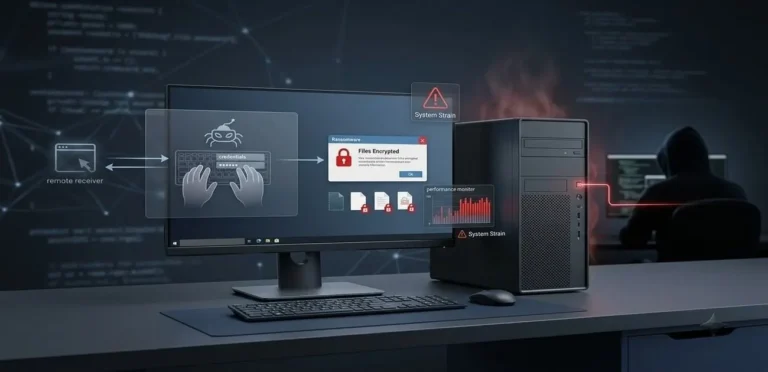
- 2. Preventing Catastrophic Operational Downtime: When intrusive ransomware groups infiltrate an enterprise subnet, they systematically lock storage hard drives and paralyze automated internal communications. Structured network segmentation and automated system backups confirm that an organization can maintain core customer services even while engineering teams investigate isolated localized intrusions.
- 3. Preserving Institutional Reputation and Brand Trust: Commercial trust takes decades to build, yet vanishes within hours of a public data exfiltration disclosure. Consumers consistently migrate their accounts to competitive market alternatives when an institution displays negligence regarding personal data preservation.
Corporate Risk Matrix: Protected vs. Unprotected Infrastructures
To clearly visualize why is cyber security important for modern executive leadership, evaluate our comparative operational consequences below:
| Operational Vector | Unprotected Enterprise Environment | Protected Zero-Trust Architecture | Business Consequence |
|---|---|---|---|
| Ransomware Attack | Entire server file directory encrypted; company operations frozen for weeks | Malware isolated at desktop endpoint via EDR controls; zero server downtime | Millions saved in extortion demands |
| Regulatory Compliance | Unencrypted customer billing records lead to massive FTC and GDPR administrative fines | Continuous audit logging satisfies national financial and HIPAA statutory mandates | Total avoidance of legal penalties |
| Supply Chain Security | Unverified third-party vendor scripts introduce persistent backdoor malware | Strict vendor access controls and recurring vulnerability scans verify software integrity | Uninterrupted B2B commerce |
To understand how corporate defense engineers continuously monitor these threat boundaries during active daily shifts, study our practical operational report on what a cyber security analyst does in a modern SOC.
How Small Businesses and Consumer Enterprises Build Defense
Implementing professional digital security does not necessitate building an expensive internal monitoring facility from scratch. Modern commercial enterprises achieve robust baseline protection by adhering to four essential organizational habits:
- Multi-Factor Authentication (MFA): Requiring physical verification tokens or mobile authentication prompts alongside password logins blocks over 98% of automated credential brute-force intrusions.
- Automated Security Patch Management: Regularly updating operating system firmware ensures known CVE software vulnerabilities receive rapid structural remediation.
- Employee Phishing Awareness Training: Educating administrative staff members on how to identify fraudulent incoming email links prevents human errors from compromising corporate network boundaries.
- Endpoint Antivirus Telemetry: Deploying reputable endpoint protection agents across employee laptops freezes unauthorized executable downloads automatically.
For small business owners seeking vetted software tools and budget-conscious protective frameworks, explore our institutional review of the top cyber security software for small business.
To build a resilient organizational defense architecture, explore our comprehensive 2026 Small Business & Consumer Cyber Security Defense Vault.
If you are preparing to enter this high-demand technical career field as a professional network defender, evaluate degree trajectories and certifications in our comprehensive roadmap on cyber security career and degree requirements.
Frequently Asked Questions: Cybersecurity Importance in 2026
Why is cyber security important for businesses in 2026?
The integration of automated AI scripting engines and cloud-based software architectures has accelerated the volume of unauthorized network probing worldwide. Organizations rely entirely on interconnected digital databases to execute consumer sales and manage billing workflows. Securing these enterprise interfaces is vital to preserve operational business continuity and prevent automated ransomware extortion.
What happens if a company neglects fundamental cybersecurity?
An under-protected organization risks sustained operational downtime from malware intrusions, catastrophic exposure of sensitive customer financial files, and significant regulatory non-compliance monetary penalties under legal frameworks like GDPR and HIPAA. Furthermore, public data breaches regularly trigger severe reputational damage that destroys customer brand trust for years.
What is the most effective initial cybersecurity step for small businesses?
Enforcing mandatory Multi-Factor Authentication (MFA) across all email accounts, VPN interfaces, and administrative server consoles represents the most effective immediate defense. This single administrative control prevents automated bots from logging into business platforms even if an employee password gets exposed in an external database leak.
Where can organizations access verified federal cybersecurity best practices?
Enterprise IT directors and small business operators can consult practical guidance directly through the official CISA Cybersecurity Best Practices Portal, which distributes open-source infrastructure checklists and verified mitigation blueprints.
Reported by CyberUpdates365 Threat & Risk Operations. Delivering verified architectural intelligence on enterprise risk mitigation, IT defense frameworks, federal cybersecurity directives, and Zero-Trust cloud infrastructures.