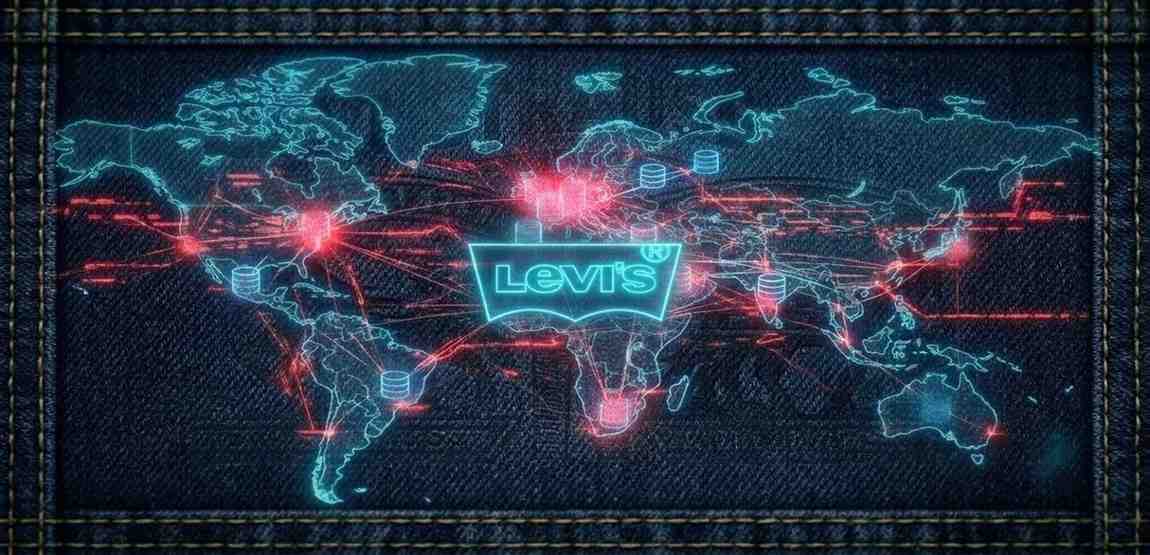
Denim giant Levi Strauss & Co. has officially confirmed a severe cybersecurity incident. In what is now being called the Levi Strauss data breach 2026, unauthorized hackers used social engineering to gain access to the company’s internal systems.
Unlike traditional hacks that rely on complex software vulnerabilities or zero-day exploits, this intrusion was chillingly simple. The attackers didn’t break the firewall; they manipulated the human element.
According to regulatory documents filed with the U.S. Securities and Exchange Commission (SEC), the hackers used targeted psychological manipulation to trick three employees into handing over the keys to the kingdom.
(Tracking global cyber attacks? See our Data Breach 2026: Major Breaches Timeline & Checker.)
How Did the Levi Strauss Data Breach 2026 Actually Happen?
The Levi Strauss data breach 2026 was executed using a sophisticated social engineering attack. Social engineering relies on deception, urgency, and human psychology rather than brute-force coding.
While the San Francisco-based apparel maker has not publicly confirmed the exact method (such as phishing emails or deceptive phone calls), industry security analysts point to a massive surge in “vishing” (voice phishing). In these attacks, hackers call employees pretending to be internal IT support or help-desk personnel.
By mimicking corporate authority figures, the attackers successfully convinced three Levi Strauss employees to surrender access to their company-issued laptops. Once the hackers had remote access to these devices, they infiltrated the internal network.
What Data Was Stolen in the Levi Strauss Cyber Attack?
The immediate concern for any retail giant is customer data. Fortunately, preliminary findings from the ongoing forensic investigation indicate that no consumer data, credit card information, or customer passwords were affected.
However, the attackers did not leave empty-handed. Before the company detected the intrusion, the hackers managed to access and extract specific corporate files stored on the three compromised employee machines.
Upon discovering the breach, Levi Strauss executed rapid containment protocols:
- They immediately isolated and shut down the affected systems.
- They terminated the unauthorized access.
- They hired elite third-party cybersecurity forensic experts to investigate the full scope of the compromise.
(Scammers are using AI to clone voices for these attacks. Learn more in our AI Voice Cloning Scams Protection Guide 2026.)
The Growing Trend of Social Engineering in 2026
The Levi Strauss data breach 2026 is not an isolated incident. It is part of a terrifying, larger trend sweeping across corporate America. Hackers have realized that no matter how much a company spends on elite firewalls, human psychology remains the weakest link.
Recent data reviewed by Reuters indicates that over 200 major companies have been targeted by phone-based social engineering and ransomware demands in just the last five weeks. From a Dutch luxury retailer’s logistics provider to major U.S. financial institutions like Blackstone and KKR, threat actors are aggressively exploiting human trust.
Security experts warn that the rise of artificial intelligence (AI) has made these attacks cheaper, faster, and incredibly convincing. Hackers can now clone an executive’s voice perfectly, making a fraudulent IT support call nearly impossible to distinguish from reality.
To defend employee workstations against credential harvesting campaigns that bypass traditional authentication, review our technical guide on MFA phishing attacks and adversary-in-the-middle bypasses.
How to Protect Your Business From Similar Attacks
The Levi Strauss data breach 2026 serves as a stark reminder thateven a multi-billion-dollar global corporation can fall victim to low-tech social engineering. To defend against these tactics, organizations must implement strict protocols:
- Verify IT Requests: Never grant remote access or provide passwords over a phone call without verifying the caller’s identity through a secondary channel (like a corporate messaging app).
- Strict Multi-Factor Authentication (MFA): Implement hardware-based security keys (like YubiKeys) that are resistant to phishing and social engineering fatigue.
- Continuous Employee Training: Staff must be regularly trained to recognize the psychological triggers (urgency, fear, authority) used by social engineers.
Frequently Asked Questions
Was my credit card stolen in the Levi Strauss data breach 2026?
No. According to preliminary findings from the company’s forensic investigation, no consumer data, including credit card information or customer accounts, was compromised during the incident.
How did hackers breach Levi Strauss?
The hackers used a tactic called social engineering. They manipulated three Levi Strauss employees into granting them access to their company-issued computers, likely by impersonating IT support or using deceptive communications.
Will this cyber attack affect Levi Strauss stores or operations?
No. Levi Strauss confirmed in their SEC filing that the incident did not disrupt any business operations, and they do not believe it will have a material effect on their financial condition or business strategy.